NitroScope addresses inefficient nitrogen fertilizer use by developing data-driven models and site-specific strategies across Europe to reduce nitrogen losses.
Nitrogen fertilizer inefficiency represents a major environmental and agronomic challenge in European agriculture. The NitroScope project aims to harmonize data collection and modelling across Europe to reduce nitrogen losses and develop site specific nitrogen loss reduction strategies.
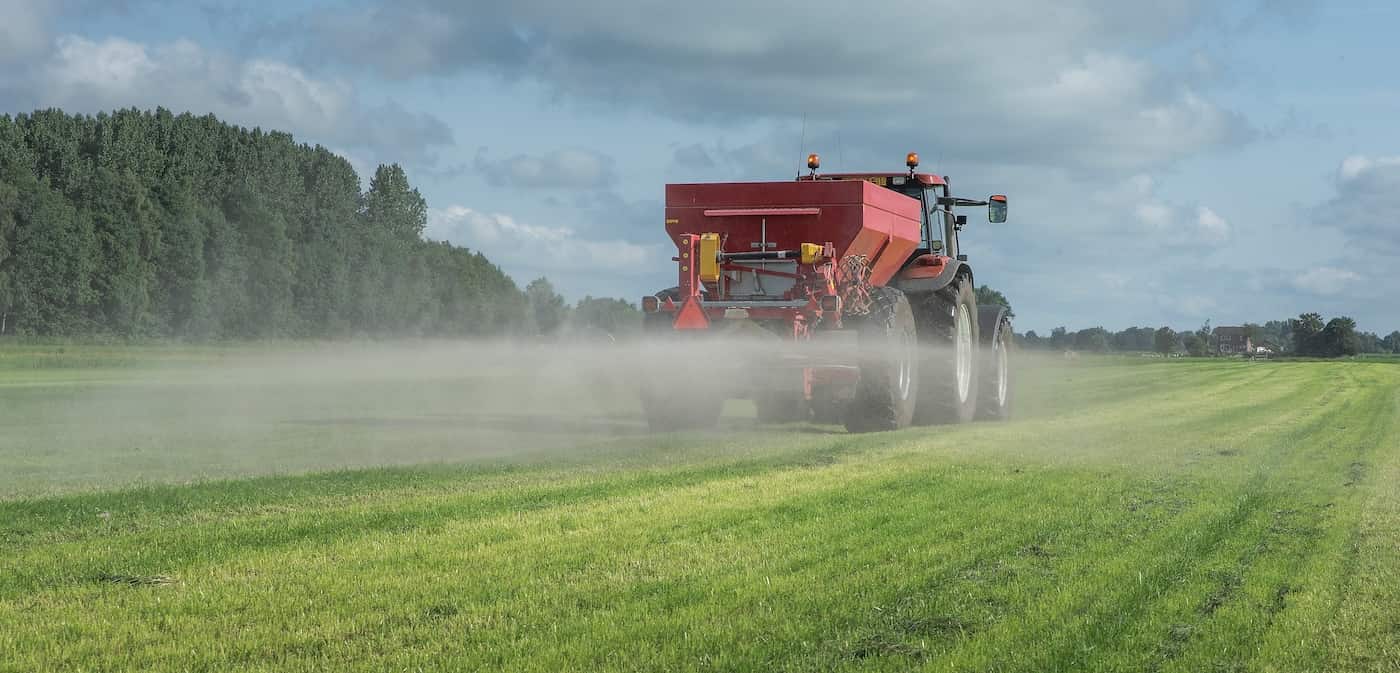
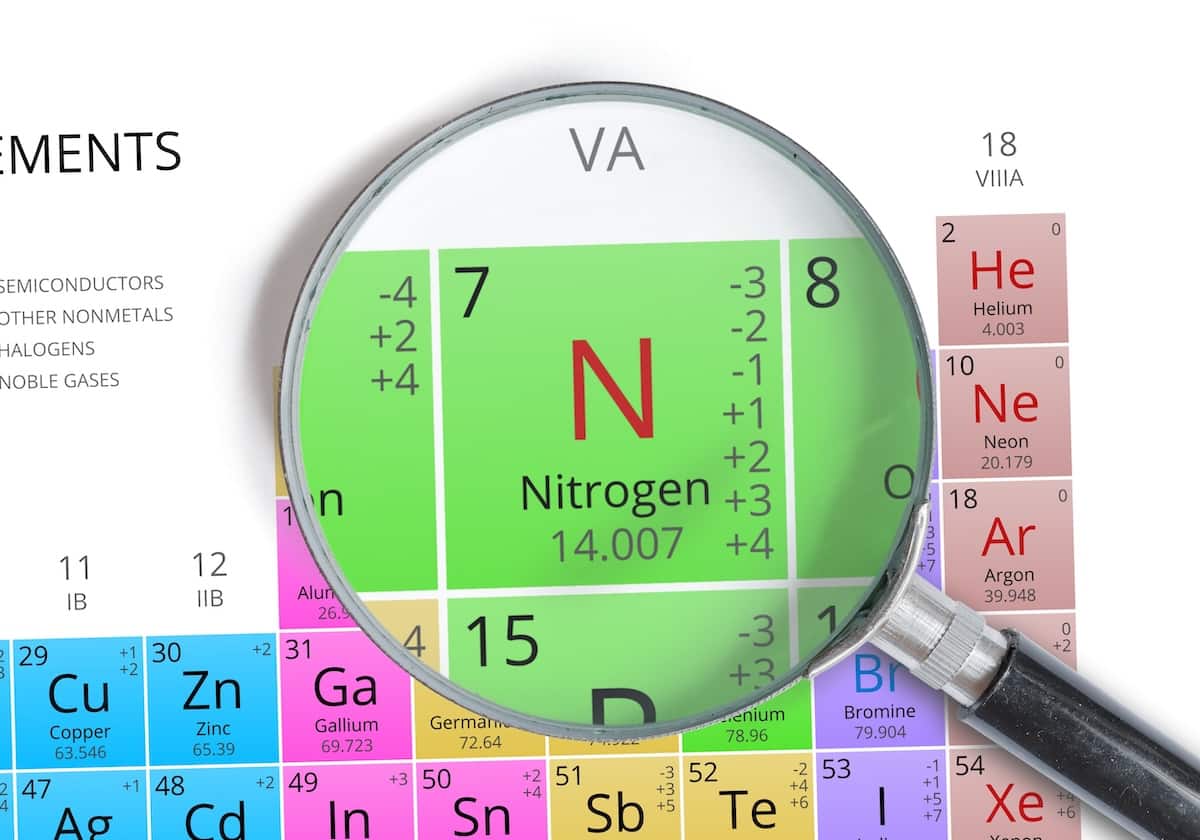
Only 30–50% of nitrogen fertilizers applied to crops are taken up by plants. The remaining 50–70% of the nitrogen is lost as nitrate that leaches from the soil, and as gaseous emissions of ammonia and nitrous oxide, causing groundwater pollution and greenhouse gas emissions.
Nitrogen-related data collection and modelling within the European Union are fragmented. This has prevented the calculation of an accurate pan-European nitrogen balance and the implementation of effective measures to reduce nitrogen losses.
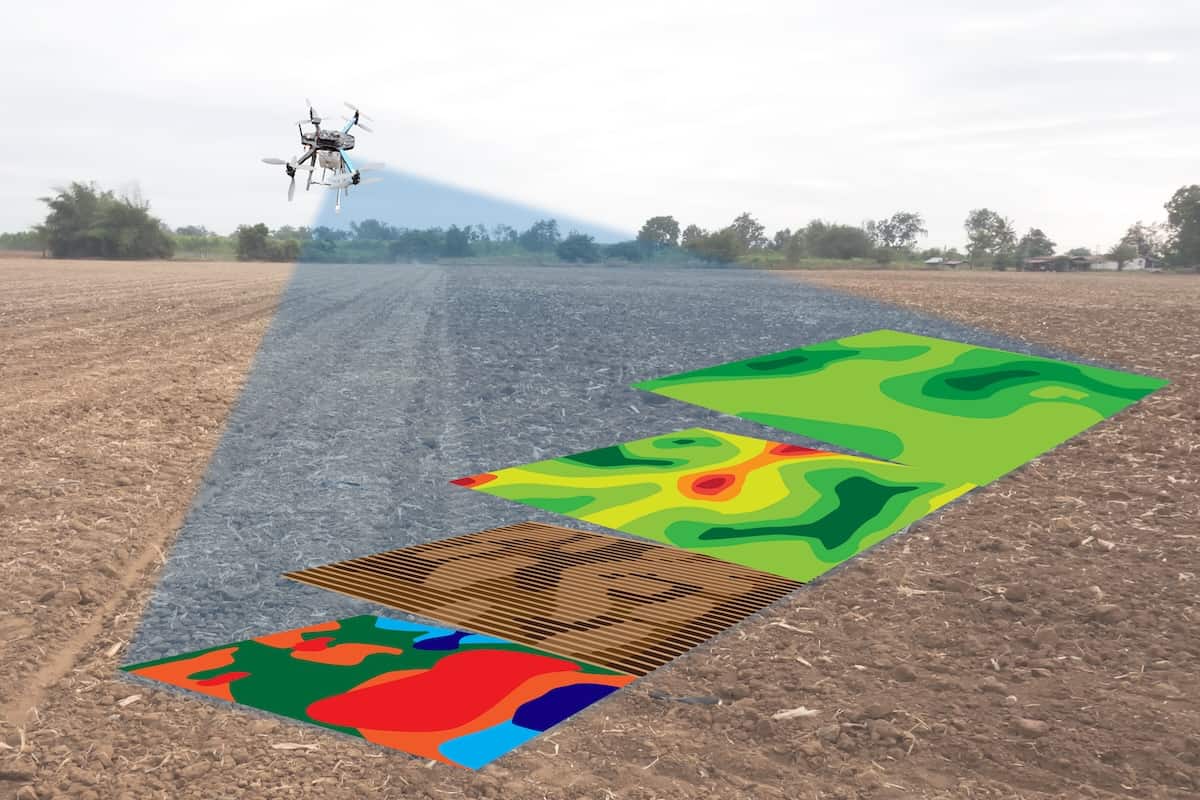
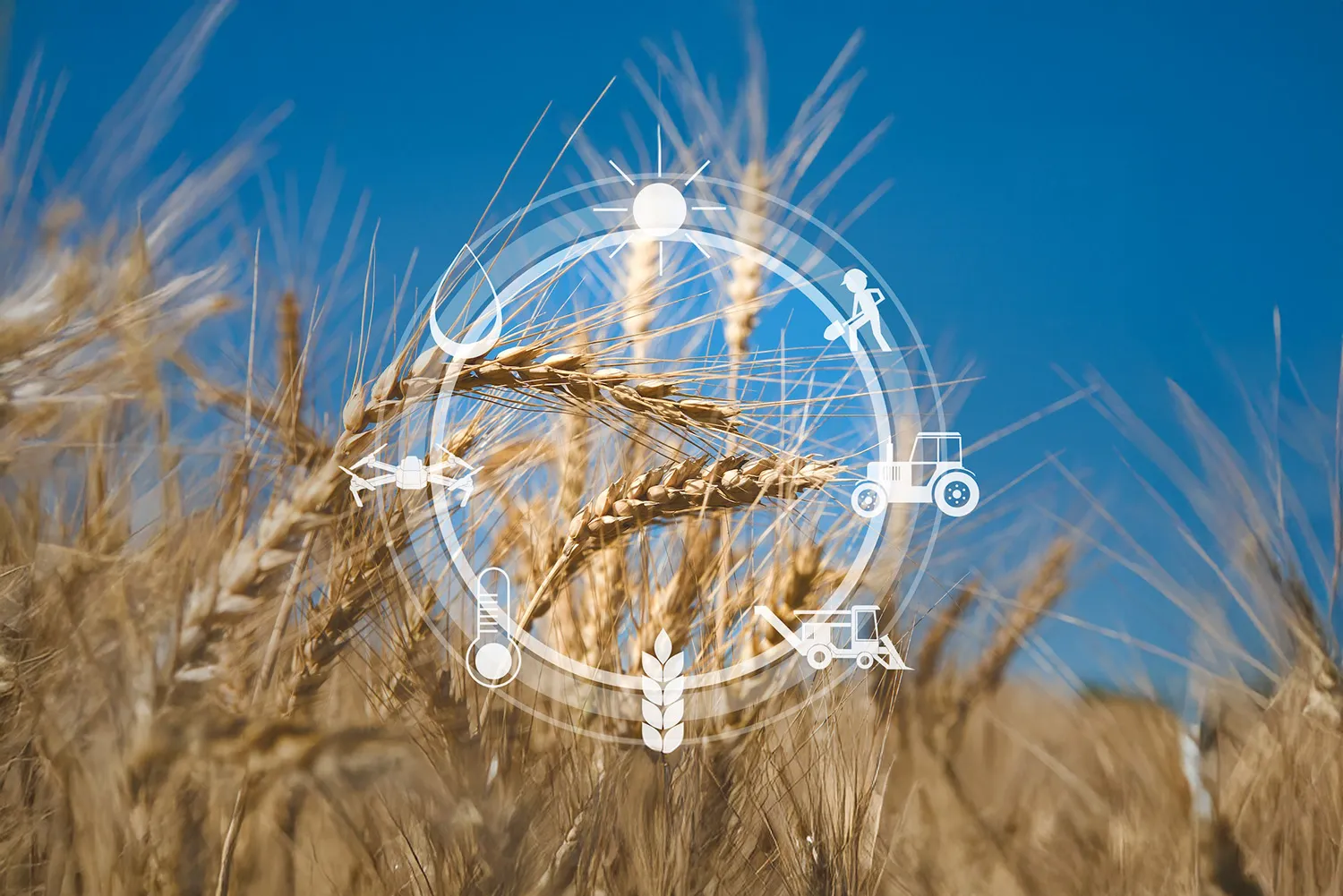
The project uses both near- and remote-sensing systems and historical data to assess site-specific nitrogen use efficiency, the effectiveness of soil management practices, crop yields, and agronomic and environmental impacts.
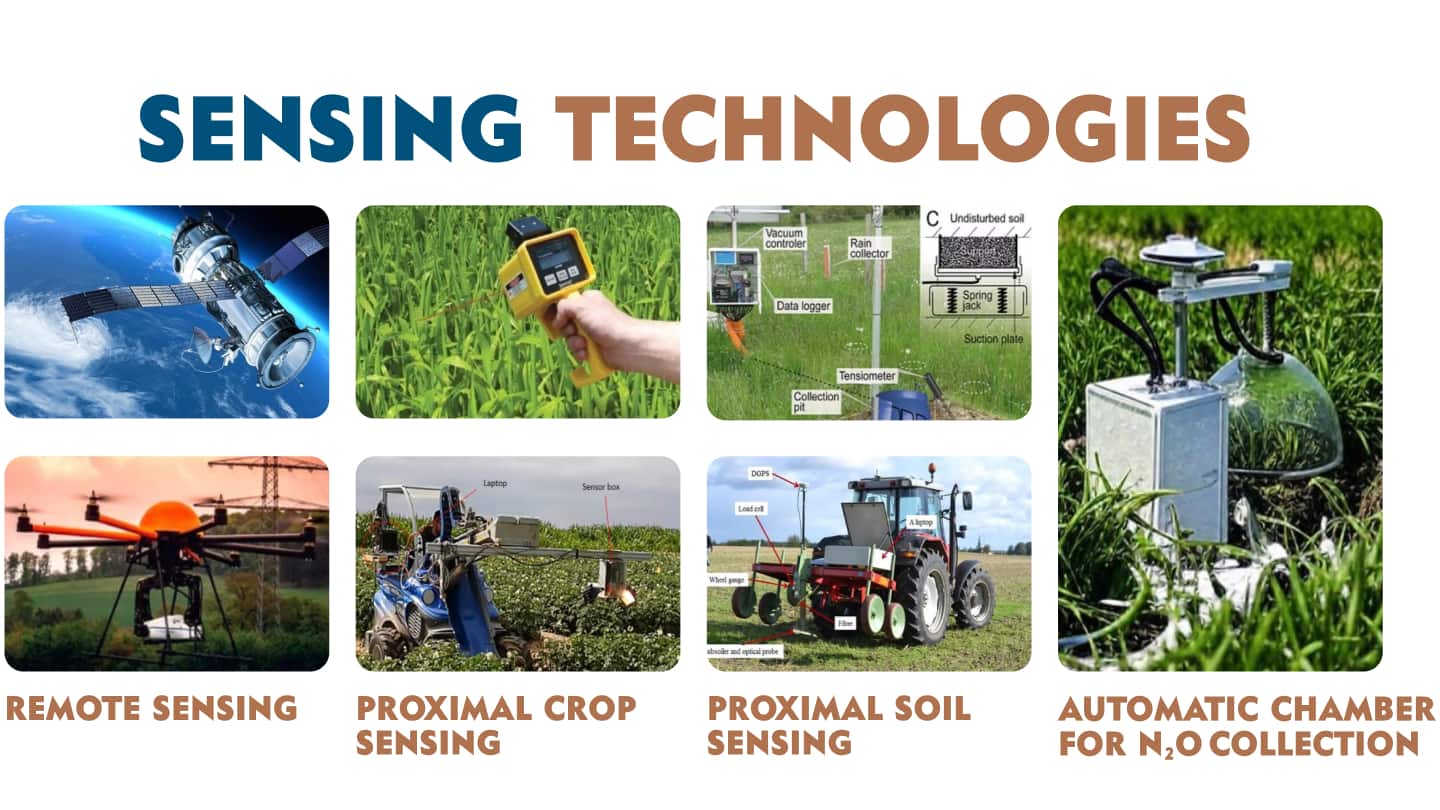
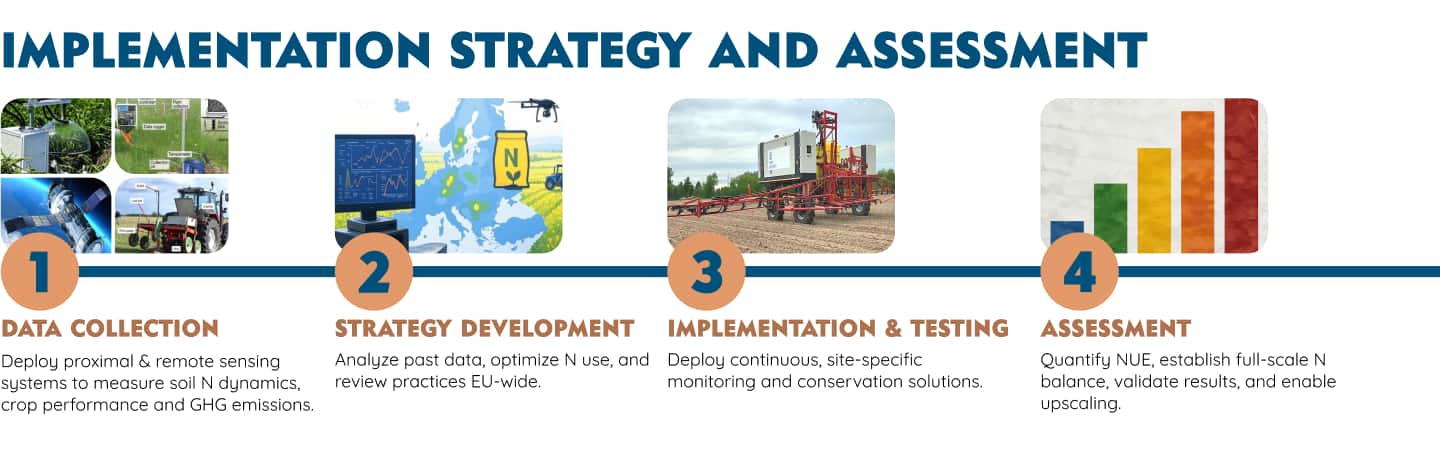
Data on nitrogen losses will be collected from monitoring sites across Europe, and field trials will be carried out to develop and test strategies for minimizing these losses.
5 pilot sites: High-frequency data on soil, crop, and atmospheric nitrogen dynamics will be collected around the clock over two growing seasons, using state-of-the-art sensor networks, automated gas flux chambers, and remote sensing technologies. Nitrogen losses will be measured to assess fertilizer use efficiency, and various soil management practices will be tested to improve regional nitrogen balance models and provide better recommendations.
9 intensive monitoring points: Over two growing seasons, data on how nitrogen fertilizers affect soil, crops, and the environment is gathered through sensor networks. Site-specific strategies to reduce nitrogen losses will be tested.
100 regional data collection points: Comprehensive data sets will be collected on soils, crops, and local climate conditions across various soil types, climates, and cropping systems to represent the diversity of European agriculture. This information will be used to calibrate and validate nitrogen management models and ensure that recommendations are tailored to specific regions.
Universiteit Gent
Hahn-Schickard-Gesellschaft Fur Angewandte Forschung Ev
Centre Wallon De Recherches Agronomiques
Norges Miljo-Og Biovitenskaplige Universitet
Seinajoen Ammattikorkeakoulu Oy
Helsingin Yliopisto
Tartu Ulikool
Polytechneio Kritis
Geoponiko Panepistimion Athinon
Cà Colonna Srl - Societa Agricola
Fciencias.Id - Associacao Para A Investigacao E Desenvolvimento De Ciencias
Faculdade De Ciencias Da Universidade De Lisboa
Ceska Zemedelska Univerzita V Praze
Instytut Uprawy Nawozenia I Gleboznawstwa, Panstwowy Instytut Badawczy
The University Of Edinburgh
Mittetulundusuhing Pollukultuurideklaster
Institut Za Razvoj I Inovacije - Iri
Prinsus I.K.E. Technovlastos
Rheinland-Pfalzische Technische Universitat
Geosys
Leibniz-Institut Fur Gemuse- Und Zierpflanzenbau Grossbeeren/Erfurt Ev
Cesens Technologies Sociedad Es Limitada
Ena Symvouloi Anaptyxis G P
Fachhochschule Nordwestschweiz Ch Fhnw
Eidgenoessisches Departement Fuer Wirtschaft, Bildung Und Forschung
October 2025 – September 2029



This work has received funding from the Swiss State Secretariat for Education, Research and Innovation (SERI).
This project has received funding from the European Union´s Horizon Europe research and innovation programme under the grant agreement number 101218902.
The views and opinions expressed are those of the author(s) only and do not necessarily reflect those of the European Union or the European Research Executive Agency (REA). Neither the European Union nor the granting authority can be held responsible for them.